
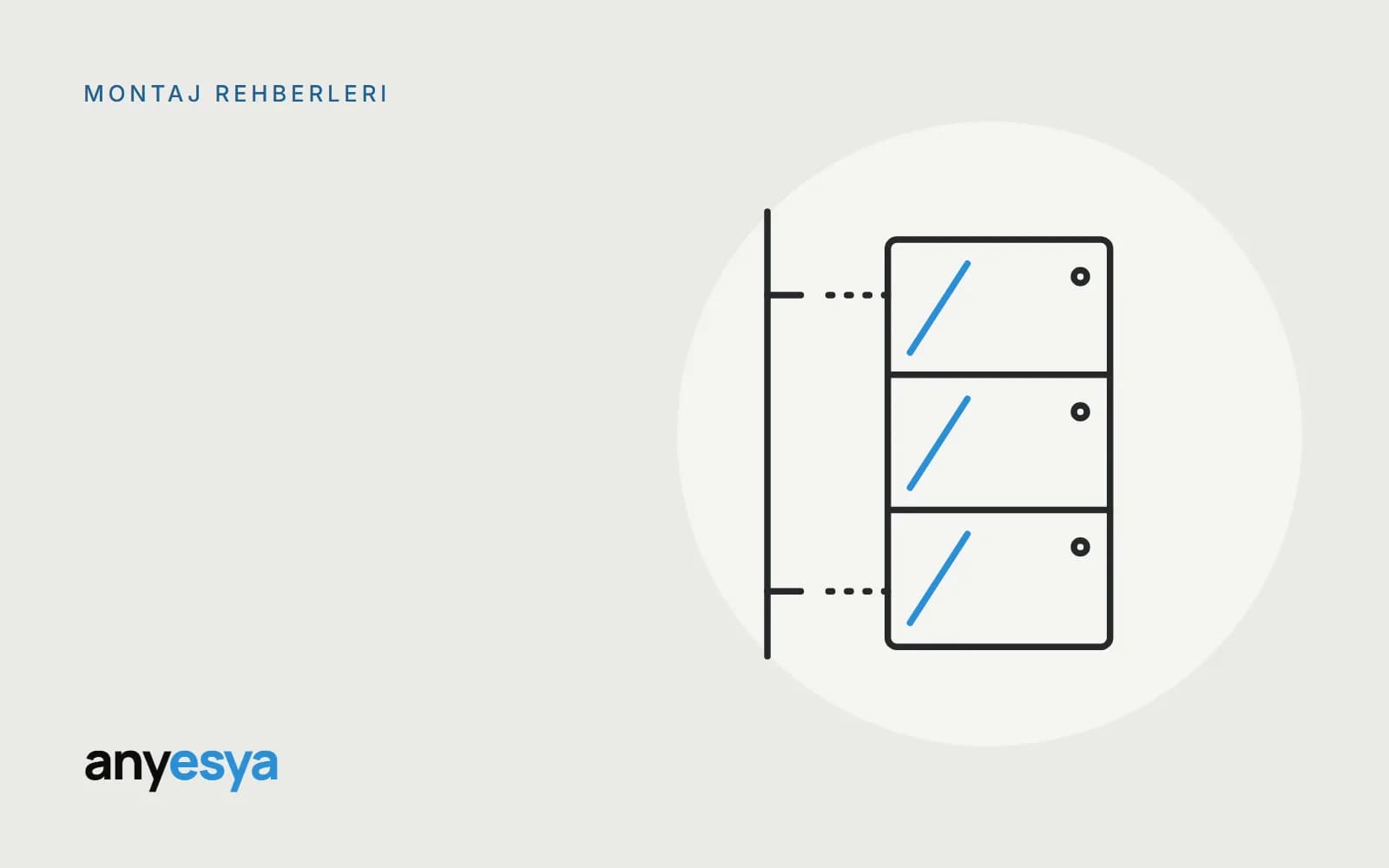
How to Anchor a Shoe Cabinet to the Wall
Slim shoe cabinets save space, but like any tall, shallow furniture they tend to tip forward. Choosing the right anchor for your wall, and anchoring step by step.
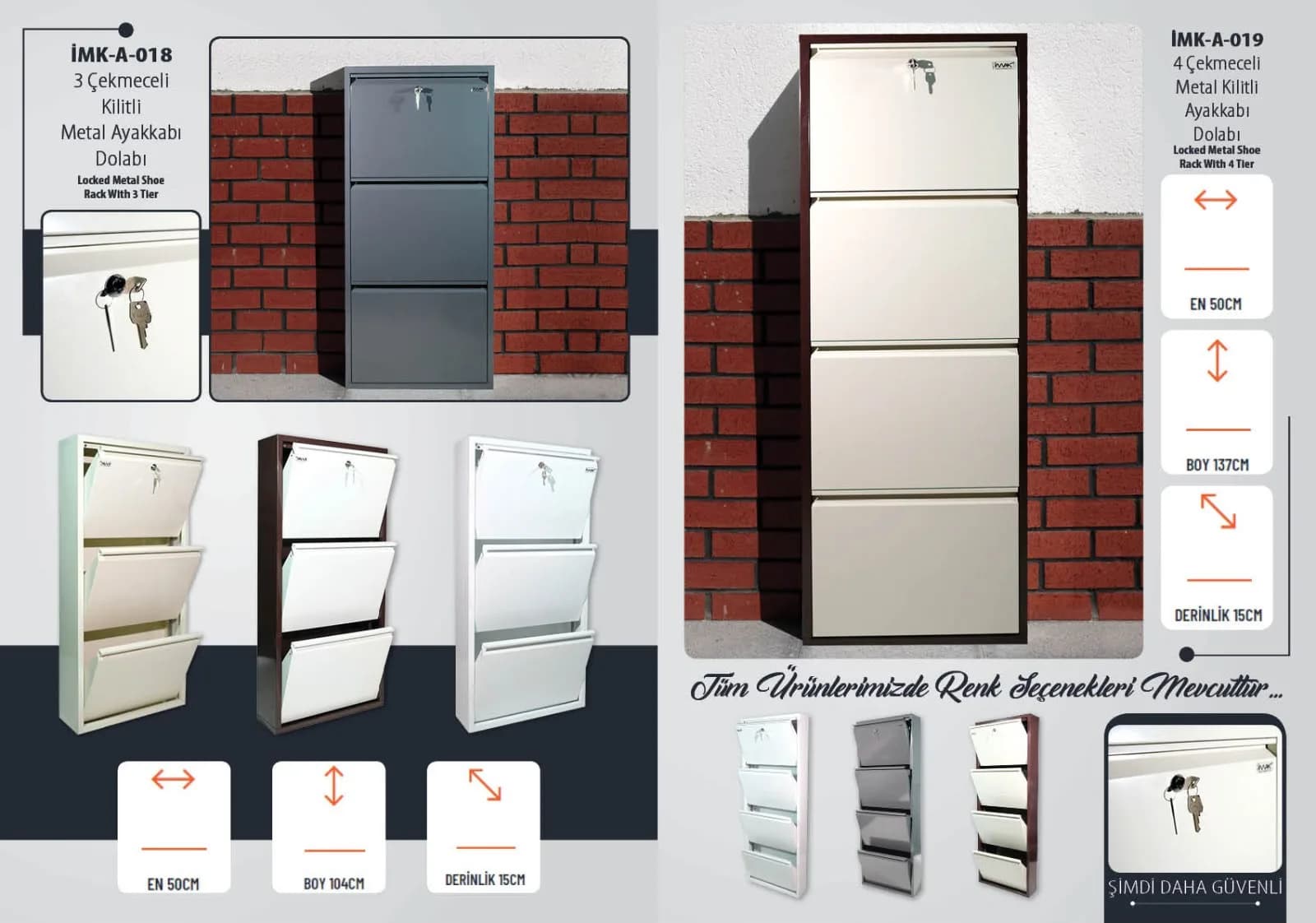
Slim shoe cabinets take up little room in a hallway, but like any shallow, tall piece of furniture they tend to tip forward. When the upper compartments are full and a door is opened, the centre of gravity shifts to the front. Anchoring the cabinet to the wall is the simplest way to remove that risk.
Before you start: know your wall
The right anchor depends on the wall:
- Concrete and solid brick: a standard plastic plug and a screw of suitable length are usually enough.
- Aerated concrete: use anchors made for aerated concrete; a standard plug can pull out under load.
- Plasterboard: use a plasterboard anchor that opens behind the board, and where possible fix into the metal stud behind it.
Before drilling, check the wall for electrical cables and water pipes with a detector. The vertical line above sockets and switches is a common cable route.
Step by step
- Position it. Stand the cabinet against the wall. If there is a skirting board, note the gap between the cabinet back and the wall.
- Mark. Transfer the fixing points to the wall in pencil and check with a spirit level that they are at the same height.
- Drill and insert the anchor. Use a drill bit matching the anchor’s diameter; the hole should be slightly deeper than the anchor is long.
- Attach the cabinet. Don’t overtighten — on a thin sheet-metal body it can cause bending.
- Check. Pull the cabinet gently forward to make sure the fixing doesn’t move under load.
Common mistakes
- Fixing at a single point. Two fixing points are more stable on wider bodies.
- Leaving it leaning because of the skirting. Fill any gap with a spacer.
- Filling it before testing. Check the fixing while the cabinet is empty, then fill it.
In homes with children or pets, anchoring is not optional. If you’re unsure of your wall type, we recommend getting help from a professional. Browse our products.
Related posts
How to Mount a TV Bracket on the Wall
From marking the holes to torque settings: safe mounting on brick and plasterboard.
Read more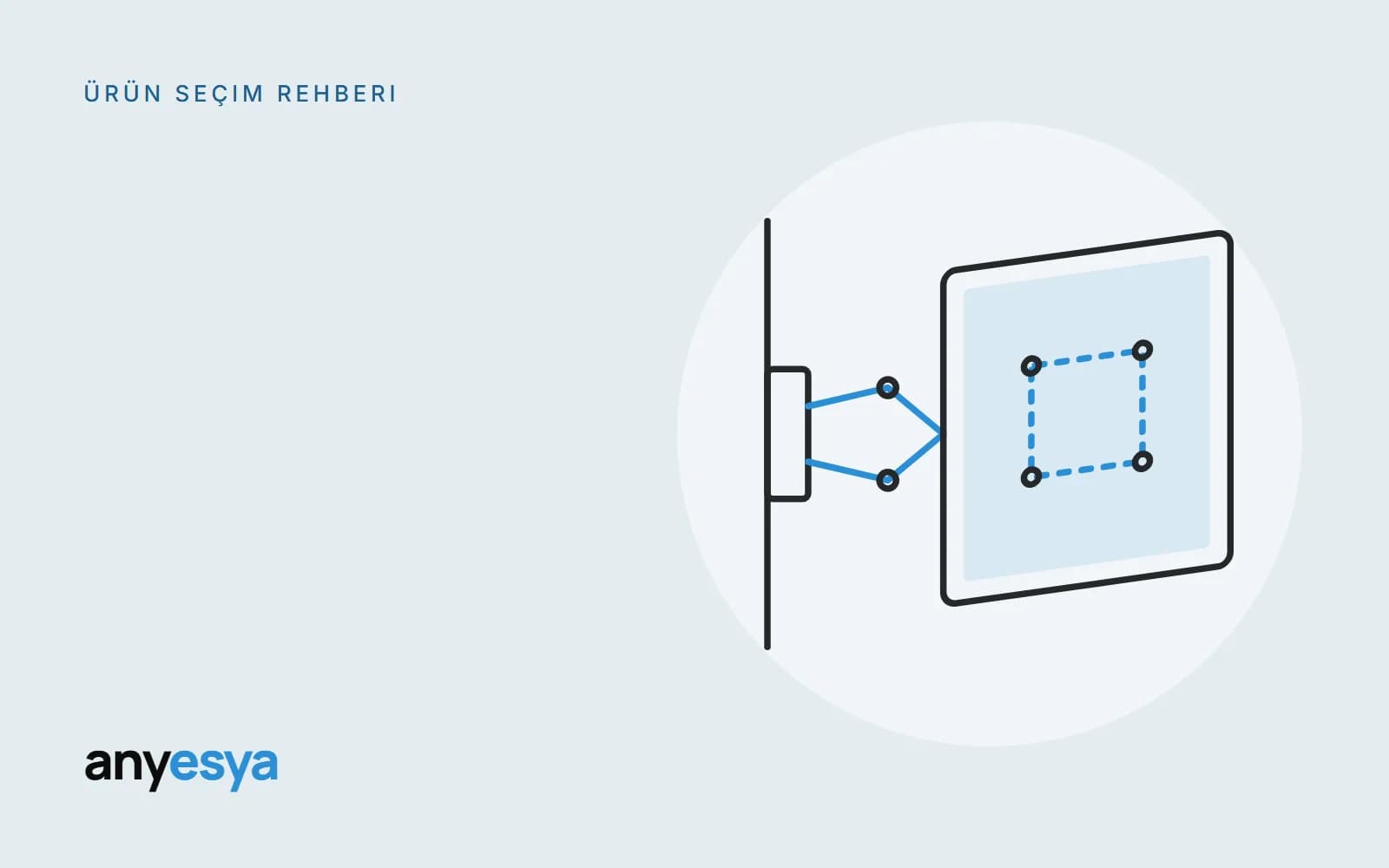
How to Choose the Right TV Mount: VESA, Weight and Mount Type
A mismatched mount either won’t fit the back of your TV or won’t carry its weight safely. Three checks are enough: the VESA pattern, the weight and how you will use the screen.
Read more
What Is a Manifold Cabinet and Why Do You Need One?
In underfloor and radiator heating, the manifold that distributes water to each circuit needs to stay accessible and protected. What a manifold cabinet does, and what to check when you measure for one.
Read more